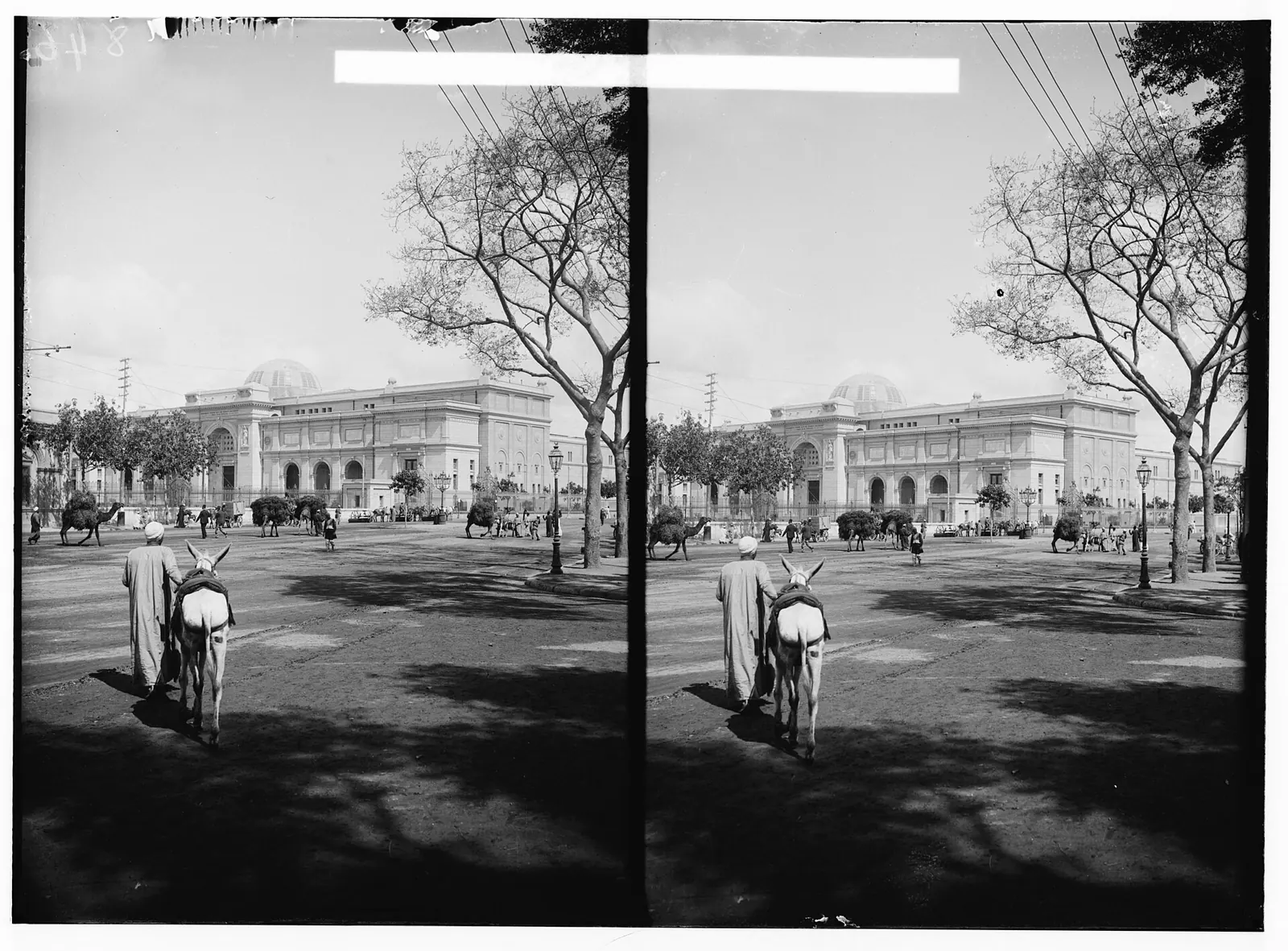
 01
01BOULAQ → GIZA → TAHRIR
The Tahrir Museum and Its City
How a purpose-built museum opened in 1902 after collections moved through earlier homes—and how its architecture became part of modern Cairo.
READ DOSSIER →BUILDINGS · COLLECTIONS · PUBLIC MEMORY
Museums are not timeless containers. They are decisions about place, period, ownership, architecture and the public—revised across generations.
OPEN THE DOSSIERS →SIX INSTITUTIONAL HISTORIES
01BOULAQ → GIZA → TAHRIR
How a purpose-built museum opened in 1902 after collections moved through earlier homes—and how its architecture became part of modern Cairo.
READ DOSSIER →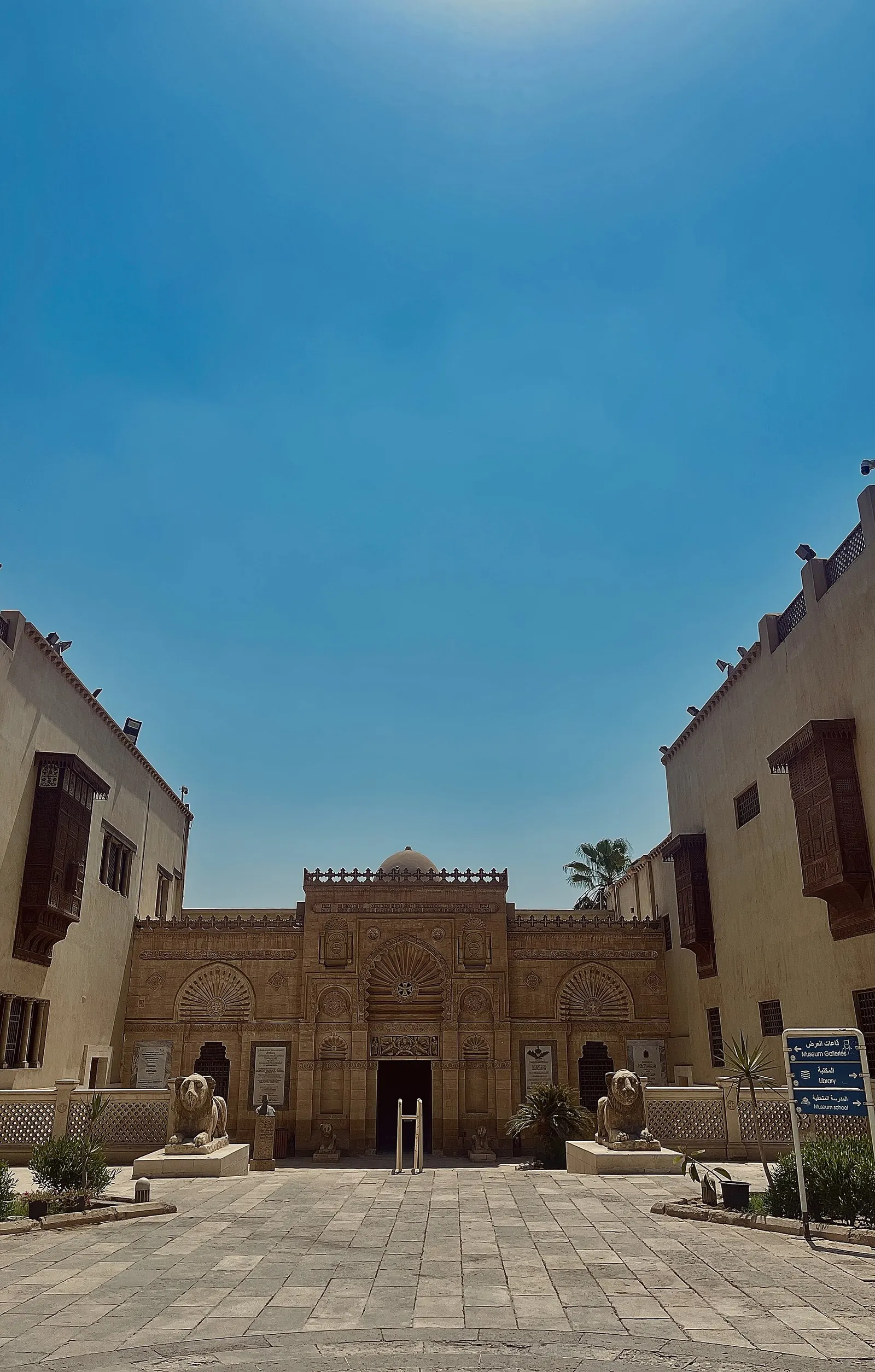 02
02COMMUNITY · COLLECTION · ARCHITECTURE
Marcus Simaika’s initiative, the museum’s 1910 foundation and the architectural choices used to frame Coptic heritage.
READ DOSSIER →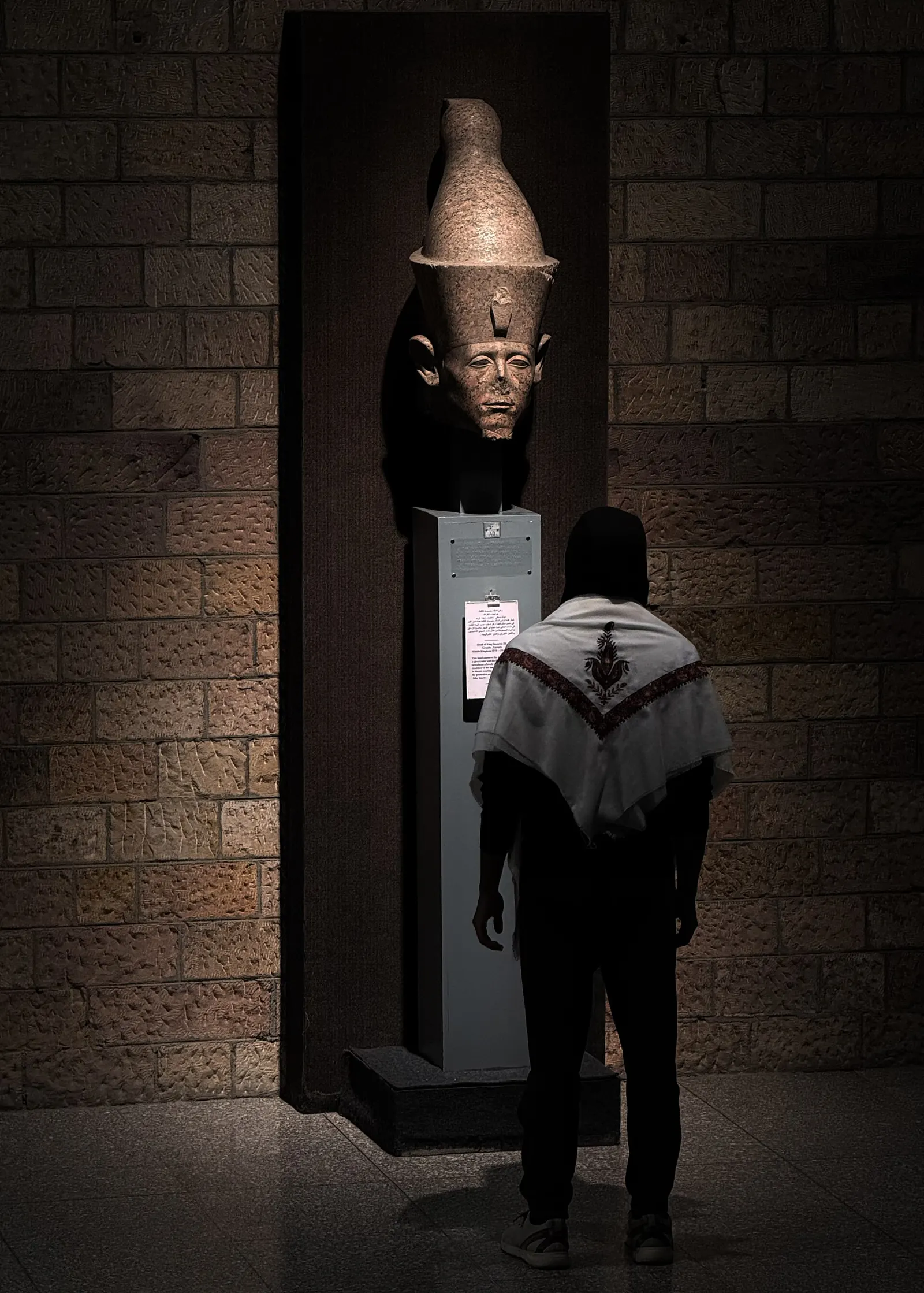 03
03SELECTIVITY AS DESIGN
Why the 1975 museum chose fewer objects, clearer spacing and strong Theban context instead of encyclopedic density.
READ DOSSIER →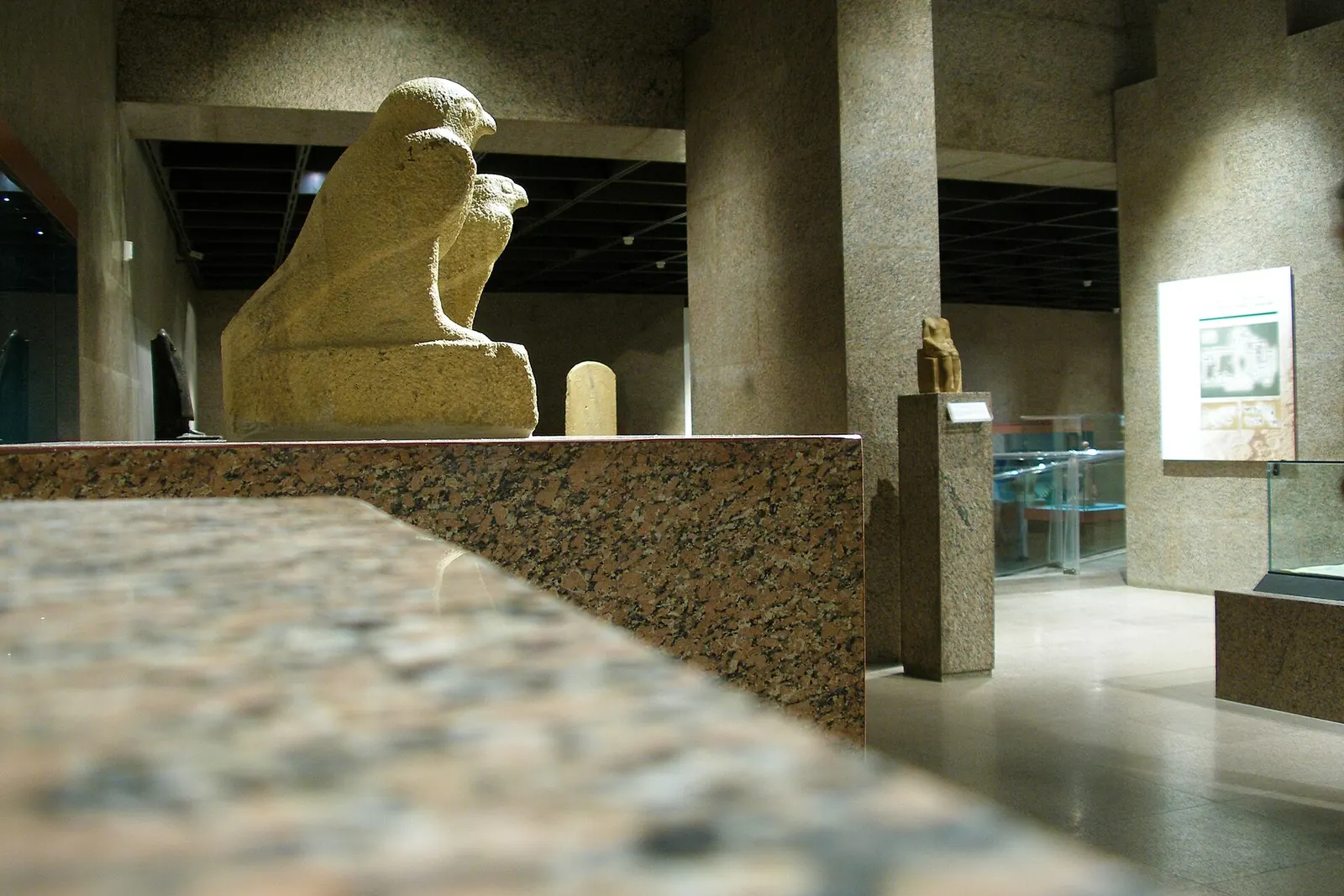 04
04RESCUE · DISPLACEMENT · MEMORY
How archaeological rescue, transformed landscapes and Nubian cultural memory shaped the Aswan museum opened in 1997.
READ DOSSIER →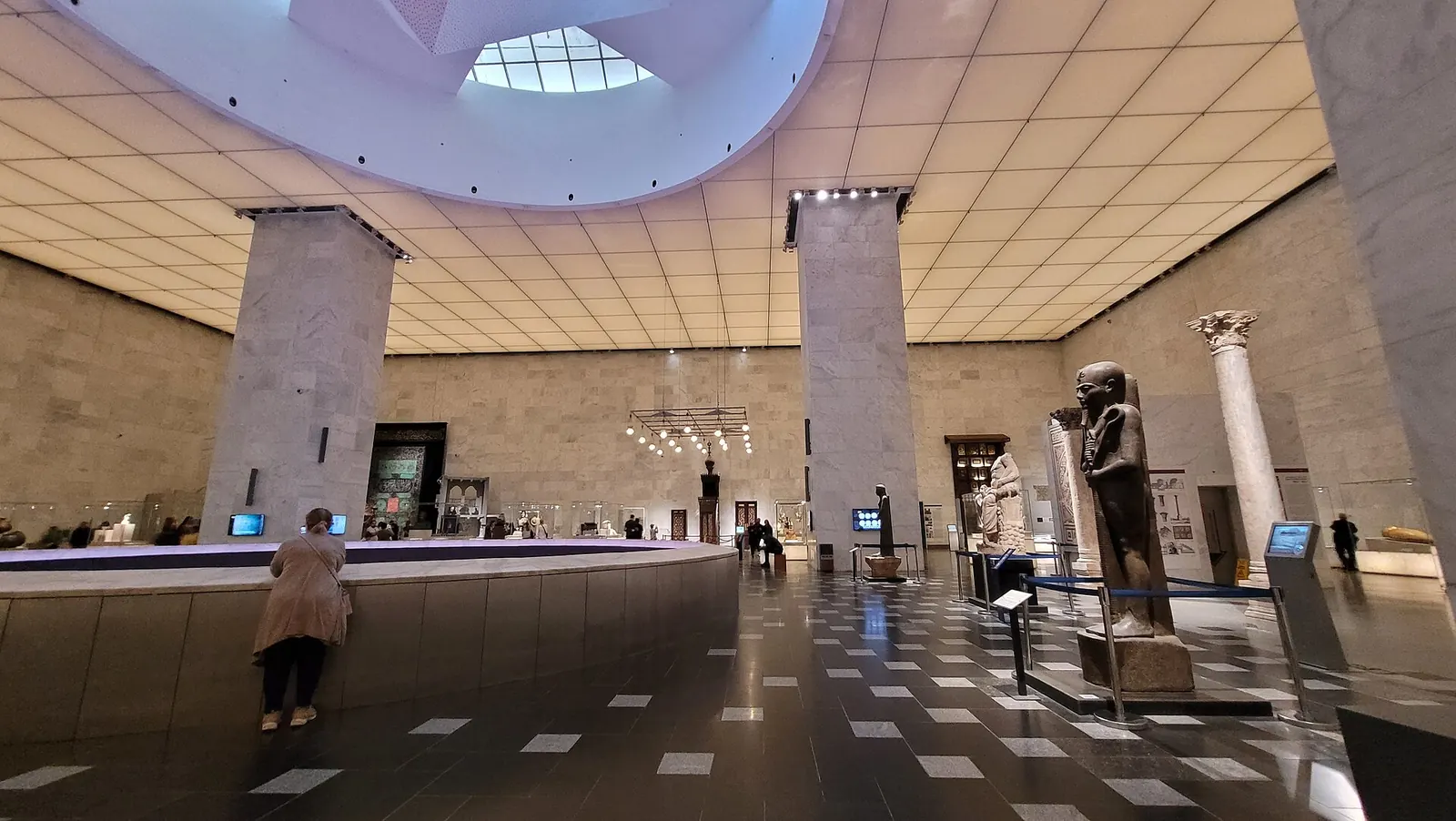 05
05ONE COUNTRY, MANY PERIODS
Decades of planning behind a museum that organizes Egyptian history across themes rather than ending the story in antiquity.
READ DOSSIER →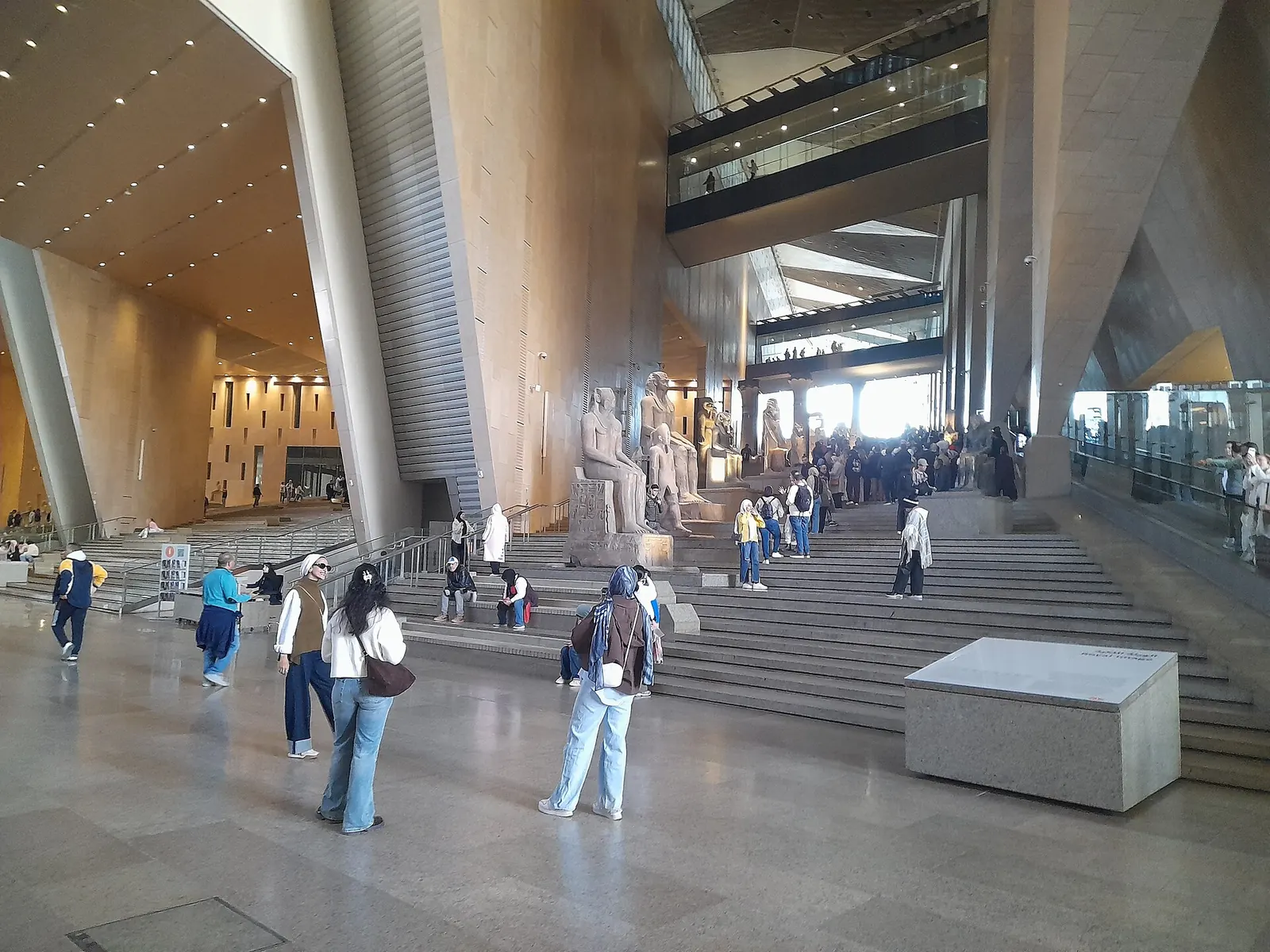 06
06COMPETITION · CONSTRUCTION · TRANSFER
A dated account of an unusually large project, from site selection and design competition to conservation, collection moves and opening phases.
READ DOSSIER →EDITORIAL METHOD